1
Booking: call the Facial Aesthetics Centre on 01444 620182 or the Epsom Skin Clinic on 01273 907945, or send the online request form.
Skin and minor surgery removes a mole, cyst, lipoma or other skin growth through a small cut or shave while you stay awake.
Dr Ronak Patel, a private GP with surgical training, examines each lesion and carries out the procedure himself in Haywards Heath and Peacehaven. A local anaesthetic numbs the area, and you go home the same day.
It is for adults with a harmless lump or growth that is sore, catches on clothing, keeps growing or is simply unwanted. Dr Patel checks every lesion first, often with dermoscopy, a lit magnifier that shows structures below the skin surface.
Procedures take place at the Facial Aesthetics Centre in Haywards Heath and the Epsom Skin Clinic in Peacehaven. They are not carried out at The Montefiore Hospital in Hove, where Dr Patel holds his private GP clinic sessions.
On this page
Minor skin surgery takes a growth off the skin, or out from just beneath it, under local anaesthetic. The local anaesthetic injection stops nerves sending pain signals, so you remain conscious while the area is numb. A warm, tingling feeling is normal in the first minutes.
Dr Patel uses 2 main methods. A shave excision skims a raised lesion level with the skin around it. A full surgical excision cuts out the whole lesion, and stitches close the wound. The choice depends on the type of lesion, its size and where it sits on the body.
Removed tissue can go to a laboratory, and a removed lipoma may be sent off to check its identity. At Dr Patel’s clinics this lab check is offered in Peacehaven, not Haywards Heath.
Most moles and lumps are harmless, but some signs need a doctor soon. They include a mole whose size, shape or colour alters, or one that bleeds, itches or crusts.
| Your symptom | Possible cause | What to do |
|---|---|---|
| Soft lump under the skin that moves slightly when pressed | Lipoma | Book an assessment with Dr Patel |
| Round lump, sometimes with a small dark spot in the middle | Skin cyst | Book an assessment with Dr Patel |
| Mole that has changed size, shape or colour, or bleeds | Possible melanoma | Book an assessment with Dr Patel |
| Growth that hurts, bleeds or crusts for more than 4 weeks | Possible non-melanoma skin cancer | Book an assessment with Dr Patel |
| Wound that turns hot, red, swollen or leaks after surgery | Wound infection | Book an assessment with Dr Patel |
| Fever, confusion, slurred speech or blotchy skin after a procedure | Possible sepsis | Call 999 or go to A&E |
Moles: benign moles that rub, catch or bother you, removed by shave or full excision after dermoscopy. The mole and skin lesion removal page sets out that assessment.
Epidermoid (sebaceous) cysts and lipomas: lumps under the skin that are uncomfortable, growing or in an awkward spot. The cysts and lipomas page covers them in detail.
Seborrhoeic keratoses: brown or black warty growths. A British Association of Dermatologists leaflet says more than half of men in the UK have at least 1.
Dermatofibromas: firm nodules, most often on the legs, which will always leave a scar when cut out.
Skin tags and warts: removed for comfort or looks, often several in one visit. These are covered under cosmetic removal.
Cherry angiomas and benign naevi: small red spots and harmless moles, judged one by one on their type and position.
Procedures
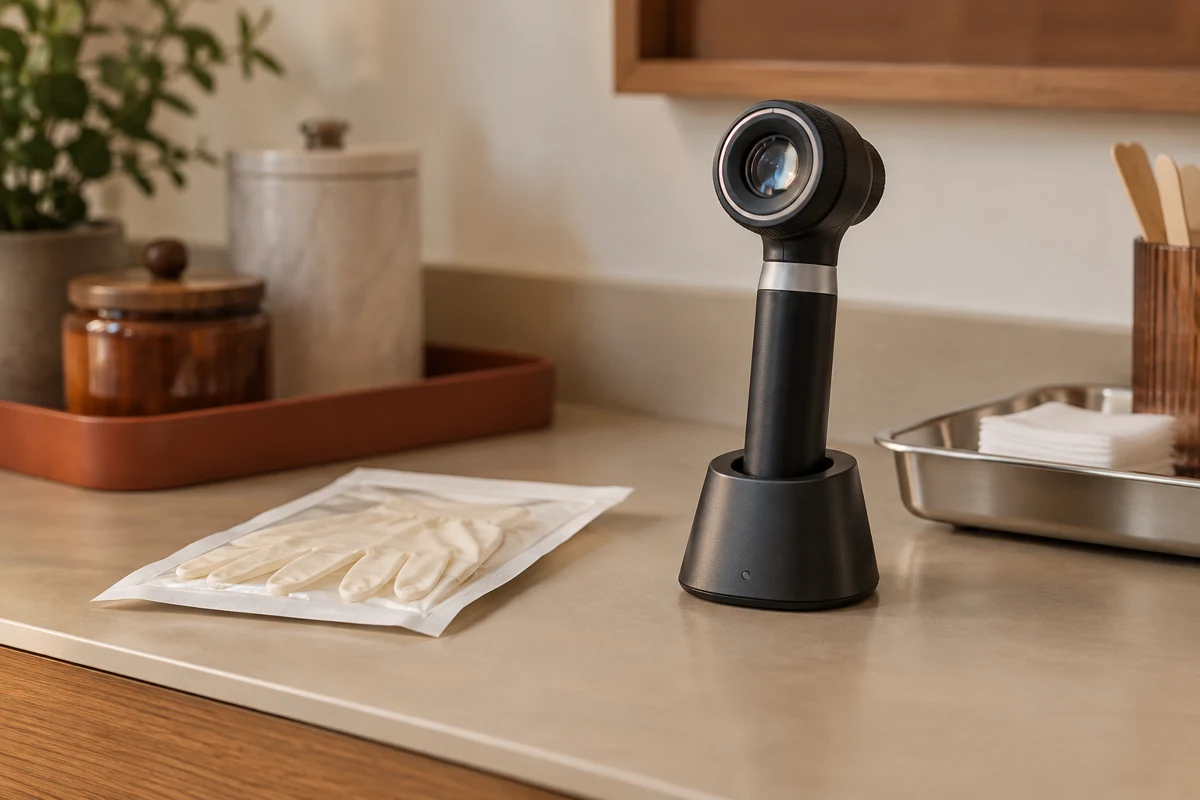
Assessment of individual moles and full-body skin examinations using dermoscopy, with photographic documentation where appropriate.
Suitable benign moles can be removed using shave excision or full surgical excision, depending on their characteristics and location.
Mole removal →
Surgical removal of suitable sebaceous (epidermoid) cysts and lipomas that may be uncomfortable, enlarging, unsightly or causing irritation.
Treatment is carefully planned to achieve effective removal while considering the cosmetic outcome.
Cysts and lipomas →
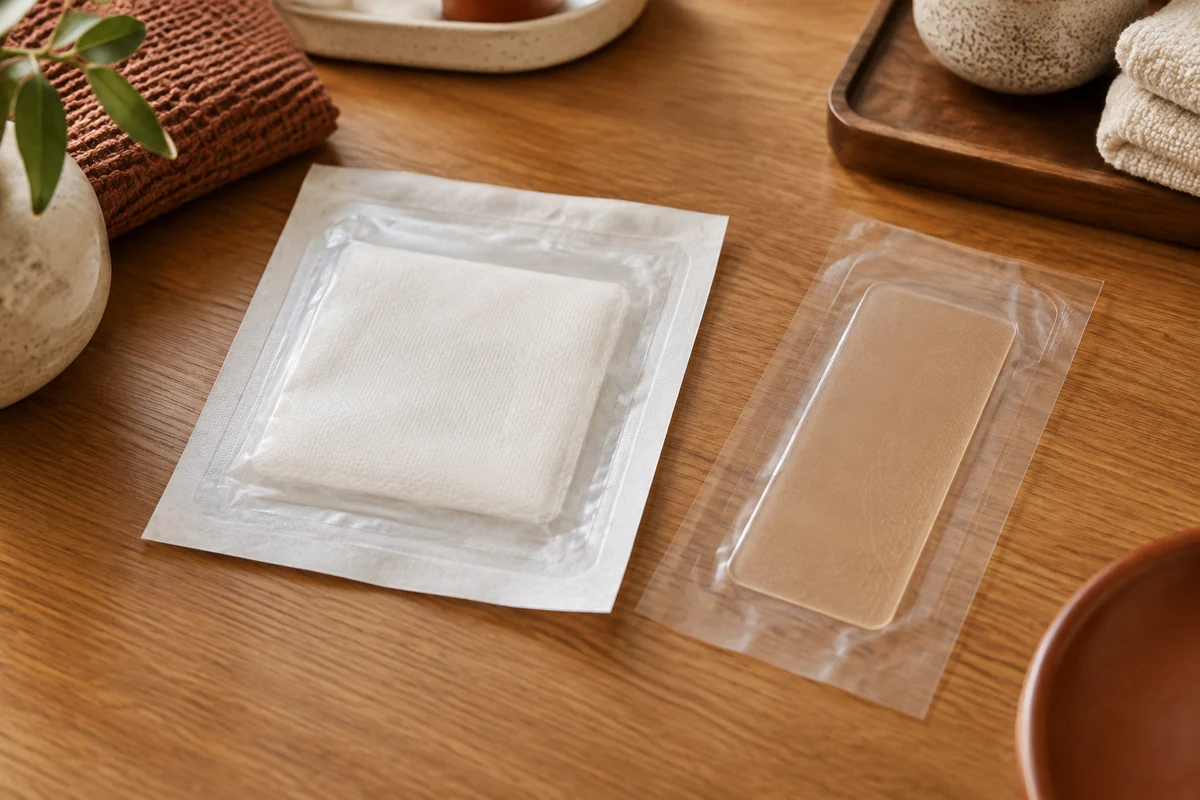
Assessment and removal of suitable benign lesions, including:
The most appropriate treatment method is selected according to the lesion, its location and the desired outcome.
Skin tags and warts →
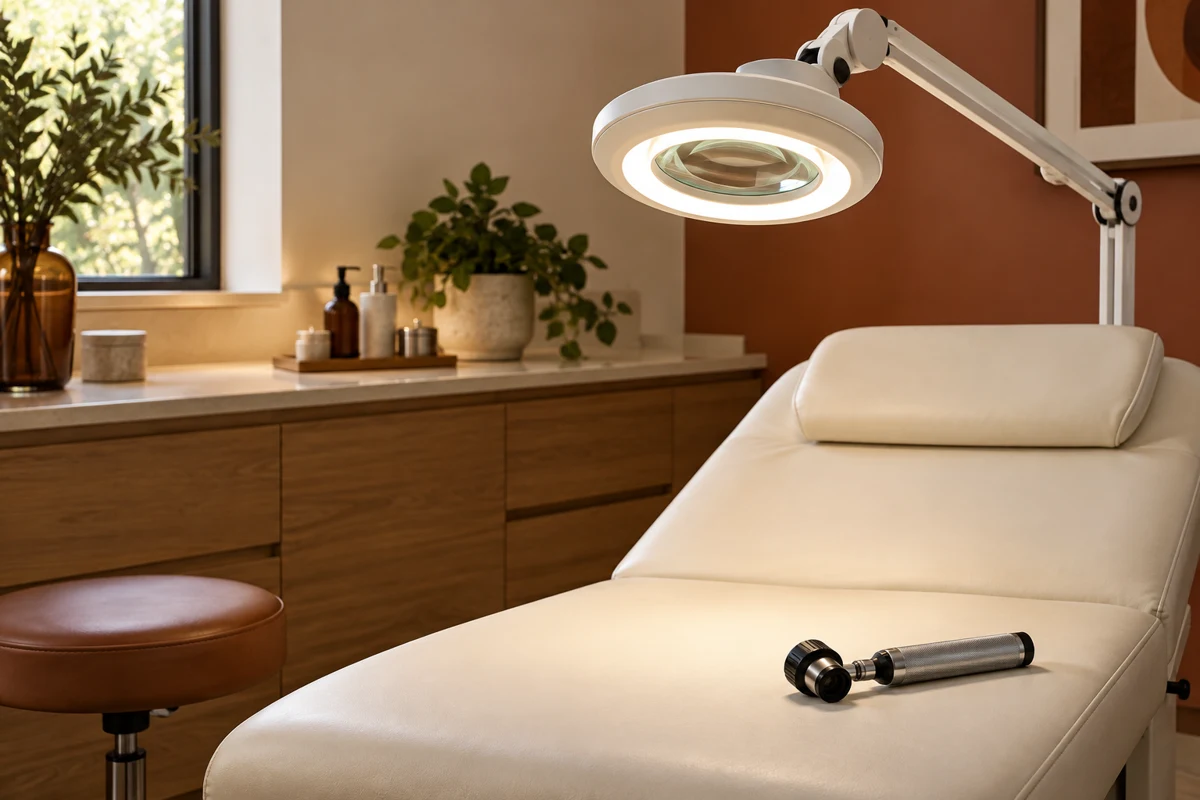
A focused check of moles or skin changes that are worrying you.
Skin checks →
Each option below happens at the Facial Aesthetics Centre or the Epsom Skin Clinic under local anaesthetic. Dr Patel explains the method, benefits, risks, likely scar and cost before anything starts.
The lesion is cut out with a small rim of normal skin, and the edges are stitched together. It suits moles, cysts and firm growths that reach deeper into the skin. Some procedures take under 30 minutes, and you leave the same day. Stitches usually come out after 7 to 14 days. Risks are bleeding, infection, a permanent line scar and numbness near the wound.
A blade removes a raised lesion flush with the nearby skin, so no stitches are needed. It suits raised benign moles and growths that sit on the surface. It is a same-day treatment in clinic. The area heals as a flat mark that may be paler or darker than its surroundings. Darker marks are more likely on black or brown skin.
A cut over the lump lets Dr Patel lift out the cyst or fatty lipoma, and stitches then close the skin. It suits lumps that are sore, getting bigger or catching, and discharge is the same day. A small scar remains and new cysts can form later.
Skin tags, warts and similar small lesions can be snipped, shaved or treated with hyfrecation, a fine electrical heat treatment. They suit small surface lesions, are done at the same visit and need no stay. Removal can leave a scar or a darker patch. Details sit on the skin tags and warts page.
Yes. Any cut through the full depth of the skin heals with a scar, and Dr Patel talks through its likely size and position before you agree. The scar is usually a red line at first and may need several months to fade.
Scars fade gradually, a process that may go on for 2 years or longer. Keep a new scar shielded from the sun for a year or more, and use SPF 30 or higher.
Some people form raised keloid scars that grow beyond the wound. Risk factors include south Asian, Chinese, African Caribbean or Black African origin, age 10 to 30 and a previous keloid. Tell Dr Patel if any apply, because the chest, shoulders and ears are common sites.
The scarring and recovery guide has more on looking after the mark.
Leaving a harmless lesion alone is a safe choice once it has been checked. A cyst that causes no problems does not need treatment, and the same is true of most lipomas.
Other methods suit some growths. For seborrhoeic keratoses, the BAD lists freezing with liquid nitrogen, laser or scraping under local anaesthetic. Warts often clear on their own, although this can take months or even years.
A GP skin check can give a view on any lesion before you decide.
Your procedure
1
Booking: call the Facial Aesthetics Centre on 01444 620182 or the Epsom Skin Clinic on 01273 907945, or send the online request form.
2
Medicines: mention any blood thinners, since some medicines may need pausing for a short time. Never stop a medicine without advice.
3
Assessment: Dr Patel examines the lesion, using dermoscopy where useful, and says whether removal is suitable.
4
Your decision: he explains the technique, benefits, risks, scarring and cost, and you choose whether to go ahead.
5
Referral instead: a lesion with features of skin cancer goes to a specialist dermatology or skin cancer service, not to removal in clinic.
6
Procedure day: local anaesthetic, removal, a dressing and written aftercare advice, then home the same day.
7
Follow-up: stitch removal where needed, and the lab report if tissue was sent from Peacehaven.
The anaesthetic usually wears off 1 to 2 hours after surgery. Normal sensation may need up to 4 hours to come back. Simple pain relief usually helps with soreness. Keep water off the wound for 48 hours and avoid alcohol for 24 hours.
Bruising and swelling settle over as long as 2 weeks. Avoid stretching the area for at least 2 weeks. Hard exercise and heavy lifting on day one can restart bleeding, and firm pressure for 20 minutes usually stops it.
Infection is uncommon. Watch for a wound that grows hot, red, swollen or starts leaking. Numbness near the scar can last many months and is sometimes permanent.
| Treatment | Hospital stay | Example risk |
|---|---|---|
| Full excision with stitches | None, home the same day | Bruising for up to 2 weeks, stitches out at 7 to 14 days |
| Shave excision | None, home the same day | Paler or darker mark, more likely on black or brown skin |
| Cyst or lipoma removal | None, home the same day | Small scar, and new cysts can form later |
| Any procedure under local anaesthetic | None | Numbness for up to 4 hours |
| Any skin wound | None | Keloid scar in people at higher risk |
Procedures run at 2 dedicated skin clinics, in Haywards Heath and Peacehaven. The Montefiore Hospital in Hove hosts his private GP appointments only, so no skin surgery takes place there. Haywards Heath runs on Mondays, 2.00pm to 5.00pm, and Peacehaven on Mondays, 9.00am to 1.00pm, so call the clinic you prefer to check availability.
Location: Facial Aesthetics Centre, Haywards Heath
Address: 2 The Broadway, Haywards Heath, West Sussex RH16 3AH
Phone: 01444 620182
Location: Epsom Skin Clinic, Peacehaven
Address: 164 South Coast Road, Peacehaven, East Sussex BN10 8EW
Phone: 01273 907945
Clinic hours
Haywards Heath: Monday 2.00pm–5.00pm · Peacehaven: Monday 9.00am–1.00pm
Ask when you call
Fees
The fee reflects the type, size, site and complexity of the lesion and the method used. Any lab or follow-up charge is set out before treatment, and 2026 prices are on the fees page.
If you have private medical insurance, check your cover with your insurer before you book.
FAQs
The anaesthetic injection gives a short sting. After that the skin is numb, and pressure or tugging is normal while pain is not.
No. You stay awake, the cut is small and you go home the same day. It is still a real operation, with a scar and a small risk of bleeding or infection.
Stitches usually come out at 7 to 14 days, and bruising settles within 2 weeks. The scar keeps fading for up to 2 years.
It is best to ask someone to drive you home after a local anaesthetic. A wound on your hand, leg or near your eye can also make driving awkward for a few days.
New skin cysts can form in future. Seborrhoeic keratoses can also regrow at the same site, the BAD notes.
Yes. You can leave a checked, harmless lesion alone. Some growths suit freezing, laser or scraping instead, as the BAD describes for seborrhoeic keratoses.
It depends on the lesion and the method, and Dr Patel explains every charge before treatment. Current 2026 prices are on the fees page.
No. Histology is arranged where clinically needed for lesions removed in Peacehaven, and it is not provided at the Facial Aesthetics Centre. The histology and results page explains the process.
Keep the wound dry for 48 hours, then shower without soaking it. Avoid heavy lifting on day one and stretching the area for 2 weeks.
It is not removed in Haywards Heath or Peacehaven. Dr Patel refers you to a specialist service, and a suspected melanoma should get an appointment within 2 weeks.
No. Dr Patel sees private GP patients there, while skin procedures run in Haywards Heath and Peacehaven.
Arrange an assessment to find out whether your lesion can be removed and which method suits its site. Bring the names of any medicines you use.
Read when a mole should be checked or the cysts and lipomas guide on the journal before your visit.